Lead Retrieval App
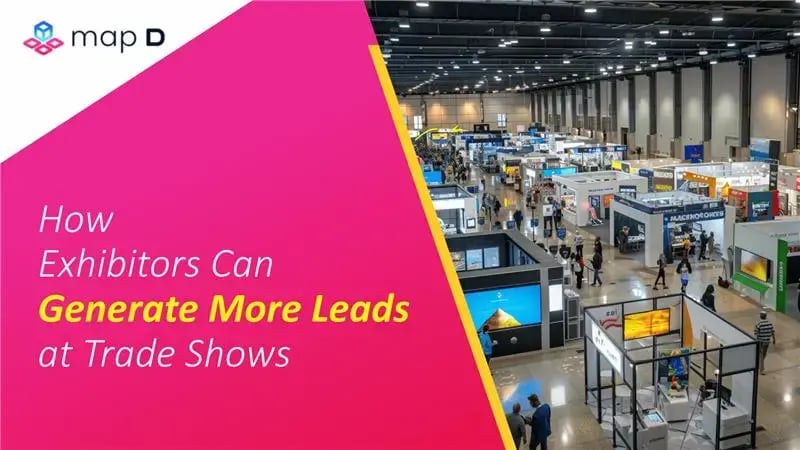

Exhibitor lead generation is the single most important business outcome from trade shows. Getting people to your booth is one thing. Turning those contacts into conversations and then into real sales opportunities is quite another. Too many companies walk away from trade shows feeling disappointed even though they met dozens or hundreds of prospects. The reason is not traffic. The reason is how they manage leads before, during, and after the event.
Trade shows remain one of the most powerful places to generate business leads because a large portion of attendees come with intent and buying power. Studies show that 81 to 89 percent of trade show attendees have buying authority, meaning they can make purchasing decisions themselves or directly influence them. This blog will help you understand how to approach lead generation at trade shows with a clear strategy, practical actions you can take, and ways to work smarter so that your trade show investment delivers measurable results.
Trade shows continue to play a critical role in modern marketing because they bring together people who already have interest, intent, and industry context. In a time when inboxes are crowded and digital ads are easy to ignore, in-person events create an environment where real conversations can happen. This is why exhibitor lead generation remains one of the strongest outcomes of participating in trade shows.
Unlike many digital channels, trade shows are opt-in by nature. Attendees choose to register, travel, and spend time on the show floor. That decision alone signals intent. Even if they are not ready to buy immediately, they are actively researching. This makes trade show lead generation fundamentally different from cold outreach, where interest has to be created from scratch.
One of the biggest reasons trade shows still work is the quality of attention. On the show floor, attendees are focused on learning, comparing, and evaluating. They are not casually scrolling or multitasking through emails. This focused environment allows exhibitors to have meaningful discussions that would be difficult to replicate online.
Key reasons trade shows create better lead opportunities include:
This combination makes trade show leads more informed and often more serious than leads generated through passive digital campaigns.
Another important factor is trust. Lead generation is not only about collecting contact information. It is about establishing credibility and confidence. Face-to-face conversations allow exhibitors to explain their value clearly, answer questions immediately, and address concerns honestly. This human interaction plays a major role in trade show marketing for exhibitors, especially in industries where purchases involve higher investment or longer decision cycles.
Trade shows also give exhibitors access to nonverbal cues that are impossible to capture through forms or emails. Tone of voice, facial expressions, and body language reveal how interested someone truly is. These signals help exhibitors qualify leads more accurately and adjust their approach in the moment. As a result, how to generate leads at trade shows becomes less about aggressive pitching and more about listening and responding thoughtfully.
There are several practical advantages that make trade shows valuable for lead generation:
Because of this, exhibitors can often meet more relevant prospects in a few days than they could through months of outbound efforts. Trade shows also create a unique comparison environment. Attendees walk the floor specifically to see how different solutions approach the same challenges. Exhibitors who communicate clearly and understand their audience benefit from this side-by-side evaluation. This environment rewards clarity, relevance, and honesty, which are all essential for effective exhibitor marketing strategies.
From a performance standpoint, trade shows contribute to long-term results, not just immediate wins. Many leads collected at events enter the pipeline weeks or months later, once internal discussions progress or budgets are finalized. This delayed impact is a key part of trade show ROI, even though it is often overlooked in short-term reporting.
Trade shows also support better alignment between sales and marketing. Conversations on the floor provide real insights into customer pain points, objections, and priorities. This information improves messaging, follow-up, and future campaigns. When exhibitors capture this context properly, trade show planning for exhibitors becomes more effective with every event.
Finally, trade shows matter because people remember experiences more than messages. A helpful conversation, a thoughtful explanation, or a relevant demo leaves a lasting impression. When a need arises later, attendees often recall the exhibitors who treated them with respect and clarity. That memory is what turns awareness into action.
In a landscape filled with noise and automation, trade shows remain one of the few channels where attention, intent, and human connection intersect. When approached with the right strategy, trade show lead generation continues to be one of the most reliable ways for exhibitors to build meaningful relationships and generate high-quality leads that actually convert.
Planning a booth with the goal of exhibitor lead generation requires a mindset shift. A trade show booth is not a branding billboard, and it is not a product catalog in physical form. It is a working space designed to start conversations, qualify interest, and create momentum that continues after the event. When exhibitors approach booth planning with this perspective, trade show lead generation becomes more predictable and measurable.
Most exhibitors fail at how to generate leads at trade shows because they design booths for visibility instead of usability. They focus on how the booth looks rather than how people move, stop, speak, and engage within it. Effective trade show planning for exhibitors starts with understanding attendee behavior. People walk fast, skim visuals, and decide within seconds whether a booth feels relevant and approachable. A well-planned booth respects those behaviors instead of trying to fight them.
Before thinking about design, exhibitors must define what success looks like. Planning a booth without a clear lead goal almost always results in vague outcomes and weak trade show ROI.
A strong booth plan begins by answering these questions:
This clarity shapes every decision that follows, from booth size to staffing to engagement tactics. It also forms the foundation of a realistic trade show lead generation strategy rather than an improvised approach on the show floor.
One of the most important lessons in trade show marketing for exhibitors is that traffic volume does not equal success. A busy booth filled with unqualified visitors drains staff energy and lowers lead quality. Effective booths are designed to attract the right audience and quietly discourage the wrong one.
Messaging should immediately answer three questions for attendees:
This level of clarity improves booth traffic generation by encouraging self-selection. Attendees who see themselves in your message will stop. Others will move on without needing explanation. This filtering is essential for consistent exhibitor lead generation.
Good booth design supports human interaction first and visuals second. Many exhibitors overcrowd their space with banners, screens, and furniture that leave no room to talk. The best exhibit booth design tips focus on openness and flow.
Effective booth layouts typically include:
These design choices make the booth feel welcoming rather than intimidating and directly support engaging attendees at trade shows.
Static displays rarely create strong leads. Attendees engage more deeply when they can participate rather than observe. Smart trade show booth ideas focus on interaction that adds value instead of entertainment for its own sake.
Examples of participation-driven booth experiences include:
These approaches support interactive trade show booths that keep people engaged longer, which naturally leads to better conversations and higher-quality trade show leads.
Attendees are exposed to constant sales pressure at trade shows. Booths that succeed in trade show lead generation are those that lower pressure instead of increasing it. Engagement should feel helpful and respectful.
Strong booth engagement strategies include:
This approach builds trust quickly and makes it easier to transition from casual interest to qualified discussion.
Many exhibitors treat lead capture at trade shows as an afterthought. They rely on badge scanning without considering what information they actually need to follow up effectively. This leads to long lists and weak results.
Booth planning should include a clear system for capturing:
This information turns raw contacts into usable trade show leads and improves post-event lead follow-up significantly.
Badge scanning is only effective when paired with context. Following badge scanning best practices ensures that scanning supports lead quality rather than replacing conversation.
Best practices include:
This disciplined approach improves trade show lead tracking and makes follow-up more relevant.
Even the best booth design will fail without trained staff. Trade show staff training should focus on conversation skills, not memorized scripts. Staff must understand how to represent the brand while adapting to each visitor.
Training should cover:
Well-trained staff are essential for effective booth staff lead qualification, which directly impacts trade show ROI.
Qualification does not mean interrogation. It means understanding whether a conversation should continue beyond the event. Booth staff lead qualification helps exhibitors focus their time and energy where it matters most.
Staff should be encouraged to identify:
These insights transform casual conversations into actionable trade show leads.
How people move through your booth matters as much as what they see. Planning attendee flow helps prevent congestion and awkward interactions. It also supports smoother engagement and better lead capture.
Effective booth flow planning includes:
This approach supports measuring trade show success later because conversations follow a consistent structure.
Booth planning should evolve based on data. Trade show metrics and analytics help exhibitors understand what worked and what did not.
Useful insights include:
Using these insights improves future trade show planning for exhibitors and strengthens long-term results.
Every booth decision should connect back to trade show ROI. This does not mean pushing for immediate sales. It means planning for conversations that lead to future opportunities.
Strong booth planning supports:
When booths are planned intentionally, trade show ROI metrics become clearer and easier to justify.
Booth design plays a far bigger role in exhibitor lead generation than most companies realize. A trade show booth is not just a visual asset. It is a filtering tool. When designed correctly, it attracts the right people, discourages the wrong ones, and sets the tone for productive conversations that turn into real trade show leads. When designed poorly, it creates noise, attracts casual visitors with no intent, and overwhelms booth staff with unqualified traffic.
The goal of booth design is not to maximize footfall. It is to support trade show lead generation by making relevance instantly visible. Attendees walk trade show floors quickly and with purpose. They glance at dozens of booths within minutes. If your booth does not clearly signal who it is for and what problem it solves, it becomes invisible. This is why booth design must be treated as a core part of trade show marketing for exhibitors, not a last-minute creative task.
Creativity without clarity creates confusion. Many exhibitors focus heavily on visuals while ignoring messaging. Bold graphics and large screens attract attention, but attention alone does not qualify leads. What qualifies leads is relevance.
Your booth should immediately answer three questions for the attendee:
This clarity supports booth traffic generation that is intentional rather than random. When people stop because they recognize themselves in your message, conversations begin at a much higher level. This approach aligns closely with strong exhibitor marketing strategies and improves overall trade show ROI.
The best booths allow attendees to qualify themselves before engaging with staff. This reduces wasted conversations and improves booth staff lead qualification.
Effective self-selection happens when booth design includes:
When attendees see their own problems reflected in your booth, they feel invited. When they do not, they move on. This is a positive outcome for trade show lead generation, not a loss.
A large booth does not guarantee success. Many smaller booths outperform larger ones because they are easier to navigate and less intimidating.
Strong layout principles include:
Open layouts support engaging attendees at trade shows by making interaction feel natural. When people are unsure where to stand or what to do, they often avoid the booth altogether. A good layout removes hesitation.
Trying to show everything at once is one of the biggest booth design mistakes. Overloaded booths confuse visitors and weaken trade show lead generation strategy.
Instead of listing every feature or benefit, focus on:
This focused approach aligns with proven exhibit booth design tips and allows booth staff to guide deeper conversations rather than explain basic information repeatedly.
Interactive trade show booths are effective when interaction supports understanding, not distraction. Interactivity should help attendees explore your solution or clarify their needs.
Examples of purposeful interaction include:
These interactions support booth engagement strategies that encourage participation and longer conversations. When people invest time engaging, they are more likely to become qualified trade show leads.
Trade shows are not conference stages. Booths designed like presentation areas often limit interaction and make conversations feel one-sided.
Better booth design support:
This approach helps booth staff transition naturally into lead capture at trade shows without interrupting the flow of conversation.
Booth design should support how leads are captured, not work against it. Poor placement of scanners, tablets, or note-taking tools creates friction.
Effective booths consider:
When lead capture is seamless, staff stay focused on the attendee instead of the process. This improves both experience and data quality.
Design influences behavior. Booths that force staff to stand behind counters or screens create barriers. Booths that encourage staff to stand at the edge invite conversation.
Design choices should support:
This directly supports trade show staff training efforts and improves booth staff lead qualification.
Not all traffic is good traffic. Free giveaways, games with no relevance, or generic slogans often attract people who have no interest in your solution.
While these tactics increase footfall, they hurt trade show ROI by consuming staff time and cluttering lead lists.
Strong trade show booth ideas attract people based on relevance, not rewards. When giveaways are used, they should support conversation, not replace it.
Good booth design considers what happens after the show. Visuals, demos, and conversations should be easy for attendees to remember later.
Design elements that support post-event lead follow-up include:
When booth experience and follow-up messaging align, conversion rates improve.
Booth design is not decoration. It is strategy. It supports trade show planning for exhibitors, improves trade show lead tracking, and directly influences measuring trade show success.
Exhibitors who treat booth design as part of their lead generation system consistently see better outcomes. They attract fewer but better leads, have stronger conversations, and build pipelines that justify the investment. A well-designed booth does not shout. It speaks clearly to the right people and gives them a reason to stop, engage, and continue the conversation after the show.
Wrapping Up
Trade shows can feel chaotic, expensive, and exhausting. You stand on your feet all day, talk to dozens of people, and leave the show feeling like you should have gotten more out of it. But the truth is that trade shows still work. The ones that work are not the loudest or the flashiest. They are the booths that plan intentionally, talk clearly, and follow up quickly.
Exhibitor lead generation is not about collecting the biggest pile of badges. It is about collecting the right conversations and turning them into real opportunities. It is about designing your booth to attract people who actually need what you offer, training your staff to qualify leads without being pushy, and following up while the conversation is still fresh. When you treat lead generation as a process, not a hope, trade shows stop being a gamble and start becoming a predictable source of pipeline.
If you want better results, the most important change you can make is to stop relying on chance. Build a plan. Design your booth with intent. Train your staff. Capture meaningful context. Follow up fast. And then measure what matters, not just the number of scans. MapD is a leading trade show management software designed specifically for trade shows and expos, helping exhibitors and organizers manage booth layouts, exhibitor coordination, and real-time updates all in one place. Want to see how it works? Book a demo and see how MapD can help you generate more leads at your next trade show.
FAQs