Lead Retrieval App

Booth sales software has become an essential part of modern trade show revenue strategy, helping organizers streamline sales, manage exhibitors, and maximize floor space profitability. In an industry where booth revenue often represents the largest percentage of total event income, relying on spreadsheets, emails, and disconnected systems is no longer sustainable. Trade shows today are data-driven, competitive, and fast-moving. Organizers must track pipeline activity, monitor exhibitor engagement, forecast revenue accurately, and close deals efficiently. That is exactly where trade show booth sales software steps in.
As events grow more complex, the need for a centralized booth management software solution becomes obvious. Organizers juggle booth inventory, pricing tiers, sponsorship packages, renewals, payment tracking, contracts, and CRM updates simultaneously. Without automation and real-time visibility, opportunities fall through the cracks. Booth sales software transforms this process from reactive and manual into strategic and measurable. It provides structure, transparency, and performance tracking that directly impacts event profitability. In this blog, we will explore what booth sales software is, how it works, why trade shows need it, and how organizers can use it to increase revenue, improve forecasting accuracy, and enhance exhibitor satisfaction.
Booth sales software is a specialized exhibition sales platform designed to manage the full lifecycle of booth space sales at trade shows and expos. It centralizes inventory tracking, sales pipeline management, contract generation, invoicing, exhibitor onboarding, and revenue analytics into one integrated system. Unlike generic sales tools, it is built specifically for event environments where physical space allocation, pricing tiers, and sponsorship bundling are central components of revenue generation.
At a foundational level, booth sales software acts as a structured event booth sales system that tracks every interaction from the first exhibitor inquiry to final payment confirmation. Sales teams can view available booths through digital floor plans, reserve spaces in real time, generate contracts instantly, and update deal status within the same interface. Finance teams gain visibility into outstanding payments and invoicing timelines. Marketing teams can access exhibitor data to support targeted campaigns.
The difference between traditional manual systems and modern trade show sales tools lies in automation and visibility. Manual processes rely heavily on spreadsheets, disconnected email chains, and delayed updates. In contrast, booth sales software creates a single source of truth where all sales data is centralized, searchable, and measurable. This unified structure reduces administrative burden and ensures accurate reporting across departments.
Historically, booth sales were managed using basic tools such as spreadsheets and static floor plan PDFs. Sales representatives maintained prospect lists manually and updated inventory through shared documents. While this approach may have worked for smaller events, it became increasingly inefficient as trade shows expanded in scale and complexity.
As exhibition footprints grew larger and exhibitor expectations evolved, the limitations of manual tracking became evident. Double bookings occurred due to delayed updates. Sales forecasting relied on outdated data. Contract management required repetitive back-and-forth communication. Financial reconciliation demanded manual cross-checking. These inefficiencies slowed sales cycles and reduced overall revenue optimization.
The shift toward event sales automation marked a turning point. Organizers began adopting booth space management software that offered dynamic digital floor plans, automated documentation, and real-time reporting. This evolution aligned with broader industry trends emphasizing data-driven decision making and operational efficiency. Today, most competitive trade shows rely on structured trade show revenue management software to manage exhibitor sales at scale. This transformation reflects a broader realization. Booth sales are not simply transactions. They are strategic revenue drivers that require precision, forecasting accuracy, and performance tracking.


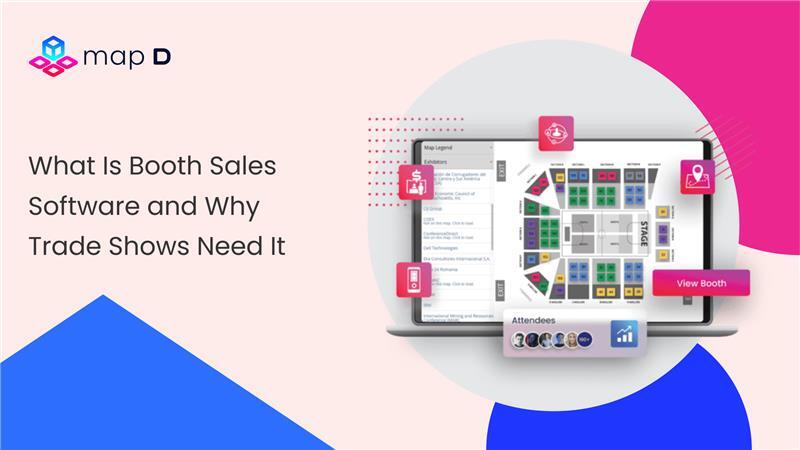
To understand the true impact of trade show booth sales software, it is important to examine how it operates in practice. The system begins with centralized booth inventory management. Through interactive digital floor plans, sales teams can visualize booth availability instantly. Filters allow sorting by booth size, category, pricing tier, or location preference. This eliminates confusion and prevents overlapping assignments.
The next layer involves pipeline management. Every exhibitor prospect is tracked through defined stages such as inquiry, proposal, negotiation, contract sent, and closed deal. Sales managers gain full pipeline visibility, enabling them to evaluate deal velocity, conversion rates, and revenue projections. This structured approach ensures that no opportunity is overlooked.
Automated workflows play a significant role. Once a booth is reserved, contracts can be generated automatically based on pre-configured templates. Invoices are issued without manual data entry. Payment reminders are scheduled systematically. Integration with trade show CRM platforms ensures that exhibitor data flows seamlessly across marketing and finance systems.
Advanced platforms also include booth sales analytics dashboards that provide performance metrics in real time. Organizers can analyze revenue by booth category, identify high-demand zones, monitor sponsorship uptake, and adjust pricing strategies accordingly. This ability to make informed decisions during the sales cycle significantly enhances revenue optimization.
A comprehensive exhibitor sales solution incorporates several advanced features designed to streamline operations and improve profitability. Each feature contributes to a structured and measurable sales process.
Interactive floor plans serve as the foundation of modern booth space management software. Organizers can assign booths visually, adjust layout changes instantly, and provide sales teams with up-to-date availability information. This feature eliminates confusion caused by static diagrams and improves coordination between sales and operations.
Automated documentation reduces administrative workload. Once a booth is reserved, contracts are generated automatically with predefined terms and pricing structures. Payment tracking is integrated into the platform, allowing finance teams to monitor outstanding balances and revenue milestones accurately.
Seamless trade show CRM integration ensures that exhibitor information is consistently updated across departments. Marketing teams can use this data for targeted campaigns, renewal reminders, and upselling opportunities. Integration eliminates duplicate data entry and improves cross-functional collaboration.
Advanced reporting dashboards provide detailed insights into revenue performance. Organizers can track metrics such as average booth price, sponsorship revenue, renewal rates, and sales velocity. Predictive analytics tools help forecast final revenue based on current pipeline activity.
Many platforms include exhibitor portal software that allows vendors to manage their own profiles, upload branding materials, purchase add-ons, and review payment history. This enhances transparency and reduces administrative communication.
Relying on spreadsheets, email threads, and disconnected tools to manage exhibitor sales may seem manageable in the early stages of event planning. However, as booth inventory fills up and sales activity intensifies, cracks begin to appear. Without structured booth sales software, organizers often operate reactively rather than strategically. Revenue visibility becomes blurred, communication gaps widen, and small administrative errors snowball into costly operational problems. Over time, these inefficiencies directly impact exhibitor satisfaction, renewal rates, and overall trade show profitability. Below are some of the most common and costly mistakes organizers make when they do not implement a dedicated trade show booth sales software system.
One of the most frequent issues without booth management software is inaccurate inventory tracking. Static floor plans and manually updated spreadsheets cannot reflect real-time availability. When multiple sales representatives are selling simultaneously, the risk of double booking booth space increases significantly.
Even if double booking does not occur, confusion around booth sizes, premium locations, and pricing tiers can create inconsistencies. High-demand areas may be underpriced due to outdated data, while less desirable spaces remain unsold because of limited visibility. Without a dynamic booth space management software system, organizers struggle to optimize layout strategy and maximize revenue per square foot.
Over time, these inventory management errors not only create operational stress but also undermine exhibitor trust. Vendors expect professionalism and clarity, especially when investing significant budgets in trade show participation.
Another major challenge is the absence of real-time pipeline tracking. When sales data is scattered across spreadsheets and individual inboxes, managers cannot accurately assess performance. They lack insight into total pipeline value, deal stage progression, and projected close rates.
Without trade show revenue management software, forecasting becomes guesswork. Organizers may overestimate confirmed revenue or underestimate pending deals. This uncertainty makes it difficult to plan marketing campaigns, allocate operational budgets, or set realistic financial targets.
A centralized event booth sales system provides structured dashboards that display sales velocity, average deal size, and renewal trends. Without these tools, leadership teams operate with incomplete data, increasing financial risk.
Manual contract generation is another common bottleneck. Drafting agreements individually, customizing pricing, and sending invoices through separate accounting systems consumes valuable time. Delays in documentation slow down the sales cycle and create friction for exhibitors eager to secure their booth space.
Without automated workflows in booth sales software, payment tracking becomes inconsistent. Finance teams may struggle to monitor outstanding balances or follow up on overdue invoices. This can result in delayed cash flow and accounting discrepancies.
Automated contract generation and invoicing streamline these processes significantly. In contrast, manual systems increase administrative workload and introduce avoidable errors.
When trade show CRM integration is absent, exhibitor data often lives in isolated systems. Sales teams may track conversations in spreadsheets while marketing teams maintain separate contact lists. This disconnect prevents cohesive communication strategies and limits upselling opportunities.
Without integrated exhibition sales platforms, organizers cannot easily identify renewal candidates, track engagement history, or personalize outreach. Marketing campaigns become generic instead of targeted. This lack of coordination reduces conversion rates and weakens exhibitor relationships.
In a competitive trade show environment, maintaining consistent and informed communication is critical. Fragmented systems undermine that effort.
Perhaps the most costly mistake is failing to capitalize on renewals and sponsorship upsells. Without structured tracking through booth revenue optimization tools, organizers may overlook renewal deadlines or fail to identify high-performing exhibitors.
Data-driven insights reveal which vendors consistently generate engagement and which booth categories sell fastest. Without these insights, upselling premium locations or bundled sponsorship packages becomes inconsistent and reactive.
Renewal rates are a key indicator of event health. Without a centralized booth management software system, maintaining strong renewal pipelines becomes significantly more difficult. Over time, this can lead to unpredictable revenue and reduced exhibitor loyalty.
Trade shows operate on tight margins, long sales cycles, and high exhibitor expectations. In this environment, booth sales software is no longer a convenience. It is the operational backbone that supports predictable revenue growth, structured sales management, and measurable ROI. When booth revenue represents a significant percentage of total event income, relying on spreadsheets or disconnected tools creates unnecessary risk. A centralized trade show booth sales software solution gives organizers the visibility, automation, and data intelligence required to scale successfully.
From pipeline tracking to digital floor plan management, modern booth management software ensures that every stage of the exhibitor sales journey is structured, measurable, and optimized. Below are the key reasons why every trade show, regardless of size, needs a dedicated booth sales software platform.
One of the strongest arguments for implementing booth sales software is revenue clarity. Trade show budgets are often built months in advance, and inaccurate forecasting can disrupt marketing spend, venue planning, and operational investments. A robust trade show booth sales software platform provides real-time dashboards that track pipeline value, closed revenue, pending contracts, and projected income.
With structured trade show revenue management software, organizers can monitor metrics such as average booth price, sales velocity, renewal percentages, and sponsorship uptake. Instead of relying on guesswork, decision-makers have access to data-driven insights that allow them to adjust strategy early in the sales cycle.
Accurate forecasting also strengthens relationships with stakeholders and sponsors. When leadership teams can present clear revenue projections backed by booth sales analytics, confidence in the event’s financial health increases. In competitive markets where margins matter, this level of financial transparency is essential.
Managing booth inventory manually creates room for error. Double bookings, outdated floor plan PDFs, and miscommunication between departments can damage exhibitor trust. Booth sales software eliminates these risks through interactive digital floor plans and centralized booth space management software.
Sales representatives can view live inventory updates, filter booths by size or category, and assign space instantly. When a booth is reserved, the system reflects that change immediately across the platform. This prevents overlap and ensures operational alignment between sales and event logistics teams.
A structured event booth sales system also allows organizers to implement tiered pricing strategies based on location, visibility, or demand. High-traffic zones can be priced dynamically, while early-bird incentives can be applied automatically. This level of control increases revenue optimization and improves the overall exhibitor experience.
Manual sales processes slow down deal closures. Drafting contracts, generating invoices, sending reminders, and updating CRM records consume valuable time that sales teams could otherwise spend closing deals. A comprehensive trade show booth sales software platform automates these repetitive tasks.
With built-in event sales automation, contracts are generated instantly once a booth is selected. Payment tracking is integrated, and reminder notifications are scheduled automatically. Integration with trade show CRM systems ensures that exhibitor data is synchronized across marketing and finance departments without duplicate data entry.
Automation does more than save time. It improves accuracy. By reducing manual errors and administrative bottlenecks, booth management software accelerates sales cycles and enhances exhibitor satisfaction. Faster processing builds confidence and encourages timely payments, strengthening overall revenue flow.
Exhibitors expect efficiency and transparency. When communication is delayed or contracts are unclear, frustration increases. Implementing booth sales software directly enhances the exhibitor journey by providing structured communication and streamlined onboarding.
Many advanced platforms include exhibitor portal software, allowing vendors to log in, review booth details, upload branding materials, purchase sponsorship add-ons, and track payments independently. This self-service functionality reduces administrative friction and empowers exhibitors to manage their participation confidently.
Data centralization within trade show booth sales software also supports renewal strategies. Organizers can track past performance, booth preferences, and engagement history to personalize renewal outreach. Retaining exhibitors is significantly more cost-effective than acquiring new ones, and structured booth revenue optimization tools make this process strategic rather than reactive.
The exhibition industry has become increasingly data-driven. Organizers who rely on intuition alone risk falling behind competitors who leverage structured analytics. A modern booth sales software platform provides actionable insights that inform strategic planning.
With integrated booth sales analytics, organizers can identify high-demand industries, geographic trends, sponsorship performance, and pricing sensitivity. This data informs floor plan redesigns, marketing targeting, and upsell strategies for future events.
For large-scale exhibitions, the competitive advantage becomes even more pronounced. Advanced trade show booth sales software allows teams to compare year-over-year performance, measure conversion rates, and refine pricing strategies based on historical data. These insights drive continuous improvement and long-term growth.
At the end of the day, trade shows are built on relationships, but they survive on revenue. Booth sales are not just transactions on a floor plan. They represent partnerships, long-term exhibitor trust, and the financial foundation of an event. When those sales are managed through scattered spreadsheets and manual tracking, even experienced teams find themselves reacting instead of leading.
Booth sales software changes that dynamic completely. It brings structure to what is often a chaotic process. It gives sales teams clarity, organizers confidence, and exhibitors a smoother buying experience. Instead of chasing contracts, double-checking availability, or scrambling for revenue reports, teams can focus on strategy, growth, and building stronger exhibitor relationships.
Modern trade shows are too competitive and too data-driven to rely on outdated systems. With the right trade show booth sales software, organizers gain visibility, forecasting accuracy, operational control, and the ability to scale events intelligently. It is not just about selling space more efficiently. It is about creating a repeatable, predictable revenue engine that supports long-term success.
Map D’s advanced booth sales software helps trade show organizers manage digital floor plans, automate contracts, track real-time revenue, and integrate seamlessly with CRM platforms. With better visibility into your pipeline and structured sales workflows, you can increase booth revenue, improve exhibitor retention, and make confident, data-backed decisions. Discover how Map D can transform your booth sales process into a streamlined, revenue-driven operation for your next event.
1. What is booth sales software?
Booth sales software is a specialized platform that helps trade show organizers manage booth inventory, track exhibitor sales, automate contracts, and monitor revenue performance in one centralized system.
2. Why do trade shows need booth sales software?
Trade shows rely heavily on booth revenue. A structured booth management system improves forecasting accuracy, prevents double bookings, and streamlines the exhibitor sales process.
3. How does booth sales software improve revenue forecasting?
It provides real-time sales dashboards and pipeline tracking, allowing organizers to see confirmed revenue, pending deals, and projected totals instantly.
4. Can booth sales software integrate with CRM systems?
Yes. Most modern trade show booth sales platforms integrate with CRM systems to sync exhibitor data, improve communication, and streamline follow-ups.
5. Does booth sales software help with sponsorship sales?
Many platforms allow organizers to bundle sponsorship packages with booth sales and track add-on revenue within the same system.
6. Is booth sales software suitable for large exhibitions?
Absolutely. It is especially valuable for large-scale events where managing hundreds of booths manually would be inefficient and risky.
7. How does digital floor plan management work?
Interactive floor plans allow organizers to assign and update booth spaces in real time, ensuring accurate inventory tracking and eliminating confusion.
8. Can booth sales software improve exhibitor retention?
Yes. By centralizing exhibitor history, renewal data, and engagement metrics, organizers can personalize outreach and improve renewal rates.
9. Is training required for sales teams?
Most booth sales platforms are intuitive and user-friendly, requiring minimal onboarding for experienced sales professionals.
10. What should organizers look for in booth sales software?
Key features include digital floor plans, automated contracts, CRM integration, revenue dashboards, reporting tools, and exhibitor self-service portals.